|
|
|
|
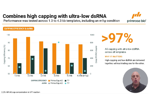
A strong capping number can mask real problems: cap analog cost, dsRNA burden, and yield that swings with template and UTR design. See how AG-capped workflows hold up under process development pressure.
|
|
|
|
|
T7-promoter workflows are easy to adopt, but familiarity can mask gaps in yield, dsRNA formation, capping flexibility, and translatability that surface only as a program reaches process development and scale-up.
|
|
|
|
|
|
|
RNA polymerase choice influences IVT output quality, affecting capping efficiency, double-stranded RNA levels, and purity across AU-capped, self-amplifying, and T7 promoter-based workflows, with distinct enzymes suited to different template and capping priorities.
|
|
|
|
|
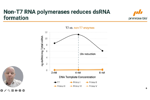
T7 polymerase makes a lot of dsRNA during IVT, which drives up purification costs. Non-T7 alternatives tell a different story, and the data makes a compelling case for reconsidering your enzyme selection.
|
|
|
|
|
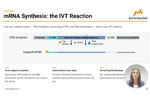
Cap analog, DNA template, and RNA polymerase drive most of the raw material spend in mRNA production. See exactly how far you can cut each one before yield suffers.
|
|
|
|
|
|
|
Aligning polymerase selection with template design and capping strategy shapes yield, dsRNA formation, and reagent cost at every stage. Find the enzyme built for the workflow you are actually running.
|
|
|
|
PURPOSE-BUILT RNA POLYMERASES
|
|
|
|
|