
When Capping Efficiency Isn't Enough: Evaluating AG-Capped RNA Workflows For Yield, dsRNA And Translatability
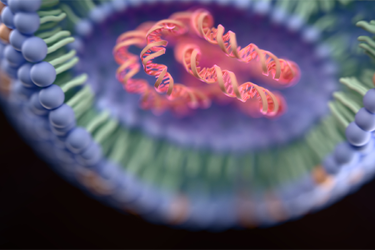
Capping efficiency is the obvious first checkpoint for teams building AG-capped RNA workflows, but it can mask gaps that surface later in process development: elevated dsRNA, inconsistent yield across template and UTR designs, high cap analog requirements or RNA that fails to translate efficiently. This piece lays out a broader evaluation framework for AG-capped RNA, connecting capping efficiency to enzyme selection, template and promoter design, dsRNA reduction, RNA integrity and translatability.
It also raises a practical question teams often skip: whether reducing cap analog input actually lowers cost, or simply shifts the burden into purification, analytics and repeat production. A set of direct questions helps teams assess whether an AG-capped workflow is ready to advance or is quietly dependent on conditions that won't scale.
Access the article to learn more.
Get unlimited access to:




Enter your credentials below to log in. Not yet a member of Advancing RNA? Subscribe today.