
Structure-Guided siRNA Design: How Chemistry, Context, And Constraint Are Shaping The Next Phase Of RNAi Therapeutics
By Pu Chen, Ph.D., adjunct professor, University of Waterloo
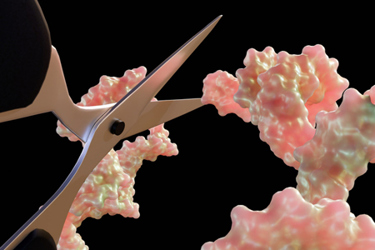
The development of small interfering RNA (siRNA) therapeutics has reached a point of remarkable technical maturity. What began as a biological curiosity — RNA interference as a naturally occurring gene-silencing mechanism — has evolved into a clinically validated modality with multiple approved drugs and a rapidly expanding development pipeline.
Yet as the field progresses, it is increasingly clear that the central challenge is no longer whether siRNA works. That question has been answered. The more important question now is: how far can we push its current structural and chemical design framework before we encounter diminishing returns?
Recent advances in structure-guided siRNA design provide an opportunity to reflect on this transition. Chemical modification strategies, strand selection rules, and delivery systems have collectively transformed siRNA into a viable therapeutic class. However, they have also defined a relatively narrow design space, one that is highly optimized but potentially difficult to expand beyond.
In this article, I will examine how structure-guided modification strategies have shaped siRNA therapeutics and where their current limitations suggest the field may be heading next.
siRNA As A Structural System, Not Just A Sequence Tool
At its core, siRNA functions through a highly conserved biological mechanism. A short double-stranded RNA, typically 21 to 23 nucleotides in length, is incorporated into the RNA-induced silencing complex (RISC). The duplex is unwound, the passenger (sense) strand is discarded, and the guide (antisense) strand directs sequence-specific cleavage of target messenger RNA.
This simplicity can be misleading. In vivo, the activity of siRNA is governed not only by sequence complementarity but by a set of structural and physicochemical constraints that determine whether the molecule can survive delivery, avoid immune recognition, and be properly processed by intracellular machinery.
From an engineering perspective, siRNA should therefore be viewed not as a linear sequence but as a structural system with multiple competing requirements, including:
- stability in biological fluids
- efficient cellular uptake
- correct strand selection by RISC
- high target specificity
- minimal innate immune activation.
Each of these requirements imposes design constraints that often conflict with one another. As a result, siRNA development has evolved into a field defined by careful balancing rather than absolute optimization.
Chemical Modification As The Foundation Of Clinical siRNA
The success of siRNA therapeutics in the clinic is inseparable from advances in chemical modification strategies. Unmodified siRNA is inherently unstable, with rapid degradation in serum and limited intracellular persistence. Chemical modification has therefore become the central tool for translating RNAi biology into a therapeutic platform.
Several classes of modifications now form the backbone of modern siRNA design:
2′-Position Ribose Modifications
Substitutions at the 2′ position of the ribose sugar — particularly 2′-O-methyl (2′-OMe) and 2′-fluoro (2′-F) — have become standard features in clinical siRNA molecules. These modifications improve nuclease resistance, reduce immunostimulatory potential, and enhance binding affinity in a predictable manner.
Their widespread adoption reflects not only their effectiveness but also their compatibility with RISC machinery. Importantly, these modifications are not uniformly distributed across the duplex. Their placement is highly strategic, reflecting a growing understanding that the local chemical environment determines functional outcome.
Backbone Modifications
Phosphorothioate (PS) linkages, in which a nonbridging oxygen atom in the phosphate backbone is replaced with sulfur, are commonly introduced at terminal positions. These modifications enhance serum stability and improve pharmacokinetic properties, particularly in conjugated or systemically delivered siRNA constructs.
However, PS modifications also introduce stereochemical complexity and can influence protein binding profiles. This duality — benefit in stability versus potential off-target interactions — illustrates the trade-offs inherent in chemical design.
Non-Canonical Sugar And Backbone Analogs
More recent efforts have explored constrained nucleic acids, unlocked nucleic acids, and other structural analogs designed to fine-tune duplex rigidity and binding affinity. While many of these modifications remain in preclinical stages, they reflect a broader trend: moving from standard stabilization strategies toward precision tuning of RNA geometry.
The Importance Of Structural Asymmetry In Strand Selection
One of the most critical determinants of siRNA function is strand selection during RISC loading. Only one strand — the antisense strand — should be incorporated into the active complex. Incorrect strand loading can reduce potency or generate unintended gene silencing effects.
To ensure correct strand bias, multiple structural strategies are used:
- Thermodynamic asymmetry at duplex ends
- Selective destabilization of the sense strand
- Strategic placement of chemical modifications
- Design of overhang sequences (commonly UU, UG, or TT motifs)
These design principles reflect a deeper biological reality: RISC is not a passive loader of RNA duplexes but a selective system influenced by subtle energetic differences within the siRNA structure.
From an engineering standpoint, this represents a form of molecular directionality control, where small asymmetries determine functional outcomes.

Overhang Engineering And Terminal Stability
The two-nucleotide 3′ overhang has been a consistent feature of siRNA design since the earliest days of RNAi research. While initially adopted for synthetic convenience, it is now recognized as an important structural element influencing stability and protein interaction.
Deoxythymidine overhangs were historically used due to their stability and cost-effectiveness. More recently, sequence preferences and modification strategies have been used to optimize overhang behavior without compromising RISC compatibility.
Although these modifications may appear minor, they contribute significantly to:
- resistance to exonucleases
- duplex stability during delivery
- compatibility with RISC recognition.
In practice, overhang design is a reminder that even small structural features can have disproportionate effects on therapeutic performance.
Lipid Nanoparticles And The Delivery Bottleneck
Despite major advances in chemical optimization, delivery remains the most significant limitation in siRNA therapeutics.
Lipid nanoparticles (LNPs) have emerged as a dominant delivery system due to their ability to protect RNA cargo and facilitate cellular uptake. They form a protective environment that shields siRNA from degradation and enables endosomal escape.
However, LNP systems are not without constraints. Their biodistribution profile is largely biased toward the liver, limiting their utility for extrahepatic targets.
This has led to a parallel strategy: ligand-based targeting, particularly GalNAc conjugation for hepatocyte-specific delivery. While highly effective for liver diseases, this approach further reinforces the field’s hepatic focus.
The result is a paradox: we have highly effective delivery systems, but only within a narrow tissue domain.
Expanding Beyond Duplex siRNA Architectures
An emerging area of interest is the development of higher-order siRNA structures. These include:
- hairpin siRNA constructs
- circular siRNA formats
- branched or multivalent RNA architectures
- dumbbell-shaped RNA designs.
These structures aim to enhance stability, reduce degradation, and potentially improve pharmacokinetic profiles. They also open the possibility of integrating multiple functional domains into a single RNA molecule.
However, increased structural complexity introduces new challenges, such as:
- manufacturing reproducibility
- regulatory characterization
- predictability of intracellular processing
- scale-up feasibility.
As a result, there is a clear tension between structural innovation and translational practicality.
The Current State: Optimization Within A Defined Design Space
When viewed collectively, the advances in siRNA chemistry and structural design suggest that the field has entered a phase of mature optimization.
Key parameters — stability, potency, immunogenicity, and delivery efficiency — are now being refined within an established framework rather than reinvented from first principles. This is a sign of success, but also of constraint.
The dominant design rules are now well understood:
- 2′ modifications for stability and immune control
- PS linkages for pharmacokinetics
- Strand asymmetry for RISC loading
- Lipid or ligand-based delivery for tissue targeting
Within this framework, innovation tends to be incremental rather than disruptive.
Where the Field May Be Headed Next
The next stage of siRNA development will likely depend on overcoming three structural limitations:
1. Extrahepatic Delivery
Expanding beyond the liver remains the most important unresolved challenge. Achieving consistent, safe, and efficient delivery to tissues such as muscle, lung, or CNS would significantly broaden the therapeutic scope of RNAi.
2. Rational, Structure-Guided Design Tools
As data sets expand, computational models may increasingly guide modification placement and sequence optimization. This could reduce empirical screening and accelerate development timelines.
3. Integration Of Novel RNA Architectures
More complex RNA structures may enable multifunctional therapeutic systems, though their success will depend on resolving manufacturing and regulatory challenges.
Conclusion: siRNA Has Become A Discipline Of Controlled Constraints
The evolution of siRNA therapeutics illustrates a broader principle in molecular engineering: progress often leads not to infinite flexibility but to increasingly well-defined constraints.
Chemical modifications, structural design rules, and delivery systems have transformed siRNA into a clinically viable modality. But they have also established a relatively narrow corridor of design space within which most innovation now occurs.
The next breakthroughs in RNAi will likely come not from refining existing rules but from challenging the assumptions that define them — particularly around delivery, tissue specificity, and structural simplicity. In that sense, the future of siRNA is not only about improving what we already know but about deciding where those current design principles no longer apply.
About The Author:
 Pu Chen, Ph.D., is a professor in the Department of Chemical Engineering and a member of the Waterloo Institute of Nanotechnology at the University of Waterloo. Chen’s research is at the interface of materials, biomedicine, and energy. It involves the application of physical chemistry, surface thermodynamics, solid state physics, biochemistry, and molecular cell biology to biomedical and chemical engineering systems. Chen aims to design and measure the molecular interaction, nanostructure formation, and adsorption kinetics of peptides, DNA, small interfering RNA (siRNA), proteins, surfactants, and polymers in solution or at interfaces. Practical applications of Chen’s research include drug and gene delivery; peptide-DNA/RNA binding; protein-lipid interactions; lipid bilayer and cell membrane actions; therapeutic lung surfactants; and emulsification, coating, painting, and thin films.