
RNA-Binding Proteins As Architects Of Post-Transcriptional Control In Disease Biology
By Ralf-Peter Jansen, Ph.D., professor, University of Tübingen
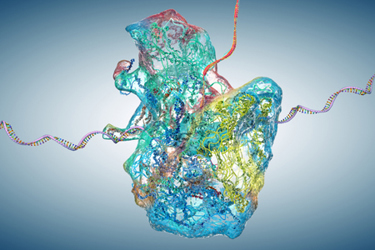
The expanding field of RNA biology has made one conclusion increasingly unavoidable: gene expression is not governed solely at the level of DNA transcription or protein activity but through a dense and highly coordinated layer of post-transcriptional regulation. At the center of this regulatory layer are RNA-binding proteins (RBPs), which collectively determine how RNA molecules are processed, stabilized, localized, translated, and ultimately degraded.
The growing recognition of RBPs as central regulators of RNA fate has reframed how we interpret cellular homeostasis and disease. Rather than serving as passive intermediates between DNA and protein, RNA molecules exist within a dynamic regulatory environment in which RBPs function as both interpreters and enforcers of cellular state.
RNA Fate Is A Protein-Directed Process
A key insight emerging from recent studies is that RNA behavior in the cell cannot be understood independently of its protein partners. RBPs bind to RNA transcripts at multiple stages of their life cycle, influencing virtually every aspect of their function.
These interactions include:
- regulation of pre-mRNA splicing decisions
- control of transcript stability and decay rates
- modulation of nuclear export and cytoplasmic localization
- regulation of translation initiation and efficiency.
Through these mechanisms, RBPs act as molecular decision makers, determining which transcripts are expressed, at what levels, and under which cellular conditions.
Importantly, this regulatory system is not static. RBP activity is highly context-dependent, responding to stress signals, developmental cues, and disease-associated perturbations. This adaptability makes RBPs particularly powerful but also particularly vulnerable as nodes in gene regulatory networks.
RBPs In Disease: From Regulation To Dysregulation
In cancer and other complex diseases, RBP-mediated regulation is frequently disrupted. Alterations in RBP expression, localization, or binding specificity can lead to widespread changes in RNA processing programs, effectively rewiring the transcriptome without requiring changes at the DNA level.
This mode of dysregulation introduces a distinct layer of biological complexity. Instead of discrete genetic mutations driving disease phenotypes, altered RBP networks can generate broad and coordinated shifts in gene expression profiles.
In hematologic malignancies and other cancers, such disruptions have been linked to:
- aberrant splicing patterns that promote oncogenic isoforms
- stabilization of transcripts that enhance proliferation and survival
- altered translation of growth- and stress-response genes
- rewiring of RNA regulatory circuits that maintain malignant states.
This systems-level impact positions RBPs not merely as participants in disease biology but as potential drivers of cellular transformation.
The Druggability Of RNA-Binding Proteins
One of the most important emerging questions in RNA biology is whether RBPs can be effectively targeted therapeutically. Traditionally considered challenging due to their lack of well-defined enzymatic active sites, RBPs were long viewed as “undruggable” or at least difficult targets for small molecule intervention.
However, this perspective is changing.
Advances in structural biology, high-throughput screening, and chemical biology have enabled the identification of small molecules capable of modulating RBP function. These compounds may act by:
- disrupting RNA–protein interactions
- altering RBP conformation and binding affinity
- modulating protein stability or localization
- interfering with protein–protein interactions within RBP complexes.
Although this field is still in its early stages, the emerging evidence suggests that RBPs may represent a viable and previously underexplored class of therapeutic targets.
This is particularly relevant in hematologic malignancies, where certain RBPs appear to play central roles in maintaining malignant transcriptional programs. Targeting these proteins may allow for indirect but highly effective modulation of disease-driving RNA networks.

A Shift From Transcript-Centric To Network-Centric Thinking
The increasing focus on RBPs reflects a broader conceptual shift in RNA biology. Rather than viewing gene expression as a linear pipeline from DNA to RNA to protein, the field is moving toward a network-centric model in which RNA molecules and their binding partners form interconnected regulatory systems.
In this model:
- RNA transcripts are not end points but dynamic regulatory entities.
- RBPs function as control nodes within feedback loops.
- Cellular phenotype emerges from the integrated behavior of RNA–protein networks.
This perspective has important implications for therapeutic development. It suggests that effective intervention may require modulation of network behavior rather than targeting individual transcripts or proteins in isolation.
Therapeutic Implications And Challenges
Despite their promise, targeting RBPs presents several challenges. These include:
- functional redundancy among RBP families
- context-dependent binding specificity
- difficulty in achieving selective modulation without broad transcriptomic effects
- limited understanding of RBP structure-function relationships in vivo.
Nevertheless, the potential therapeutic payoff is significant. Modulating RBPs could allow for coordinated reprogramming of disease-associated RNA networks, offering a level of control that is difficult to achieve through conventional single-gene targeting strategies.
In oncology, this approach may enable the reversal of pathogenic splicing programs, restoration of normal transcript stability, and disruption of oncogenic translation patterns.
Conclusion: RBPs As Gatekeepers Of RNA Regulatory Logic
RNA-binding proteins occupy a central position in the architecture of gene regulation. By governing the fate of RNA molecules at multiple levels, they define how genetic information is interpreted within the cell.
Their emerging role in disease biology underscores a broader transition in the field: from viewing RNA as a passive intermediary to recognizing it as part of an active, protein-regulated control system.
As therapeutic strategies evolve, RBPs are likely to become increasingly important not only as biomarkers of disease state but as direct targets for intervention in RNA-driven pathologies.
In this sense, RNA-binding proteins represent more than a mechanistic layer of gene regulation. They constitute a regulatory interface through which cellular identity, adaptability, and dysfunction are ultimately expressed.
About The Author:
 Ralf-Peter Jansen, Ph.D., is a German biochemist and professor at the University of Tübingen and a faculty member at the Max Planck Institute for Biology Tübingen. He is recognized for his pioneering work on mRNA localization and localized translation, defining how spatial control of RNA contributes to gene expression in eukaryotic cells. Jansen earned his diploma in biology from Ruhr-Universität Bochum and his doctorate from the University of Heidelberg. He previously held an associate professorship at Ludwig-Maximilians University Munich before joining the University of Tübingen, where he has led his independent research program since 2008.