
From LAL To rFC: The Evolution Of Endotoxin Testing
By Thomas Lehman, Ph.D., Vice President – Microbiology, Mycoplasma Testing, Extractables and Leachables; Tessa Patton, Manager, Bio/Pharmaceutical Microbiology
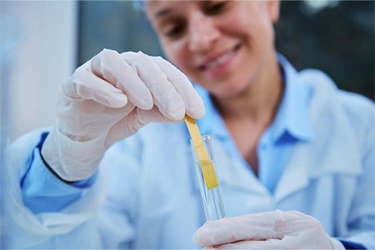
Ensuring the safety of injectable and infused drugs requires rigorous testing for bacterial endotoxins, potent contaminants that can trigger severe inflammatory responses and compromise a drug's safety and therapeutic efficacy. If undetected, endotoxins may lead to serious adverse patient outcomes, including fever, septic shock, and, in severe cases, death. Beyond patient safety, endotoxin contamination also has significant consequences for pharmaceutical manufacturers, affecting product quality, regulatory compliance, production timelines, and overall operational costs.
Historically, bacterial endotoxin testing relied on the Rabbit Pyrogen Test (RPT), in which test samples were injected into live rabbits and monitored for fever as an indicator of pyrogenicity. More than three decades ago, this animal-based method was largely replaced by the Limulus Amoebocyte Lysate (LAL) assay, an innovative in vitro test derived from the blood cells (amoebocytes) of horseshoe crabs.
The LAL assay is highly sensitive and specific for bacterial endotoxins, exploiting the horseshoe crab's innate immune defense. Endotoxins activate the zymogen Factor C, initiating a proteolytic coagulation cascade that can be measured through gel clot formation or quantified using chromogenic or turbidimetric detection methods. Compared with the Rabbit Pyrogen Test, the LAL assay offers greater sensitivity, faster results, improved reproducibility, and a substantial reduction in animal use, making it the global standard for bacterial endotoxin testing in pharmaceutical manufacturing.
Get unlimited access to:




Enter your credentials below to log in. Not yet a member of Advancing RNA? Subscribe today.