
Bioanalysis For Advanced Therapies: Why CGT Programs Need A Different CRO Mindset
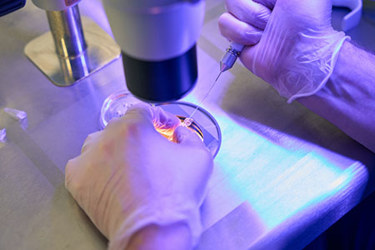
Cell and gene therapy programs push bioanalysis into territory that conventional CRO models were never designed to support. These therapies rely on small patient populations, evolving regulatory expectations, and manufacturing windows that leave no room for four‑to‑six‑week data delays. In this environment, bioanalysis is not a background function—it is central to dosing, safety assessment, and regulatory progression. Yet many CGT teams still rely on high‑volume CROs optimized for small‑molecule and biologics workflows, only to discover mid‑study that the infrastructure doesn’t match their needs.
Advanced therapies require a fundamentally different operational mindset. Biodistribution work depends on ddPCR platforms and tissue‑specific expertise that many generalist labs treat as add‑on capabilities rather than core competencies. Immunogenicity testing spans capsid, transgene, and T‑cell responses, demanding scientific engagement far beyond standard ligand binding assays. And for patient‑specific or low‑N studies, timelines must flex around manufacturing and clinical dosing—not the CRO’s queue.
Selecting the right partner means prioritizing depth over breadth: validated ddPCR workflows, fluency with CGT‑specific immunogenicity challenges, and teams experienced in navigating less‑prescriptive regulatory guidance. For CGT sponsors, operational agility and scientific partnership are not premium features—they are the baseline requirements for getting critical data when it actually matters.
Get unlimited access to:




Enter your credentials below to log in. Not yet a member of Advancing RNA? Subscribe today.