
A Smarter Switch: Reprogramming CIP Systems With Nanobodies Unlocks New Control Over Cell Signaling
By Yubin Zhou, MD, Ph.D., professor and director of the Center for Translational Cancer Research at the Institute of Biosciences and Technology, Texas A&M University
Chemically induced proximity (CIP) systems have become foundational tools in modern biomedical research, enabling scientists to control when and where proteins interact inside living cells. By using small molecules to toggle protein–protein interactions on or off, these systems allow precise manipulation of signaling pathways, gene expression, and cellular behavior.1 This level of control is essential not only for basic biological discovery but also for the development of next-generation therapeutics, including cell and gene therapies.
Yet despite their broad utility, many CIP systems remain constrained by inherent design limitations. Some lack flexibility in how proteins are paired, while others offer only one-directional control — typically turning interactions on, but not off. Efforts to overcome these constraints have largely focused on developing new chemical inducers or engineering improved variants of existing systems. While effective, those approaches can be resource-intensive and time-consuming.
A new strategy takes a different approach: instead of building entirely new systems from scratch, it reprograms existing ones using genetically encoded nanobodies. The result is a more versatile, modular toolkit that expands what CIP systems can do — without reinventing their underlying chemistry.
At the center of this work are two widely used platforms: the caffeine-responsive COSMO system and the rapamycin-based FKBP–FRB system. Each represents a distinct class of CIP tools and has been applied across diverse biological contexts.9-12 However, both come with trade-offs. COSMO relies on homodimerization, limiting its usefulness in applications that require pairing two different proteins. Meanwhile, the FKBP–FRB system is highly effective at inducing protein association but lacks a mechanism for controlled dissociation, making it difficult to reverse once activated.19
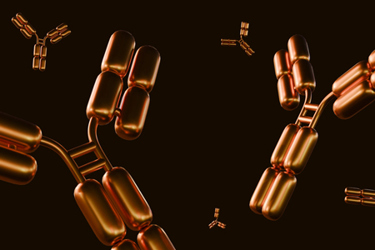
To address these challenges, researchers turned to nanobodies — small single-domain antibody fragments known for their stability, specificity, and ease of engineering. By inserting chemically responsive modules into a nanobody scaffold, they created a platform capable of rewiring how existing CIP systems behave.
Turning Caffeine Into A Precision Tool
One of the most compelling outcomes of this approach is the transformation of the COSMO system from a homodimerization tool into a heterodimerization platform. This was achieved by inserting a bivalent COSMO module (biCOSMO-L) into an anti-mCherry nanobody known as LaM8. The resulting engineered variants — termed “caffebodies” — can bind to mCherry only in the presence of caffeine.
Among these, one variant stood out. Known as CHASER, it demonstrated strong caffeine-induced heterodimerization with minimal background interaction in the absence of the ligand. This represents a meaningful improvement over the original COSMO system, where unwanted baseline activity can complicate experimental outcomes.
Functionally, CHASER retains many of the desirable properties of COSMO while improving sensitivity. Its activation kinetics are comparable, with a similar half-life following caffeine addition, but it exhibits a lower EC50 — indicating that smaller amounts of ligand are required to achieve a response.12 While its reversibility is somewhat slower, this may be advantageous in applications where sustained signaling is desirable.
Interestingly, the system also responds to real-world sources of caffeine. Experiments showed that diluted coffee, tea, soda, and energy drinks could all trigger CHASER activity, with responses scaling according to caffeine content. While this is more a demonstration of flexibility than a practical use case, it highlights how accessible and tunable the system can be — grounding a sophisticated molecular tool in something as familiar as a morning cup.
Reducing Noise In Cellular Signaling
A major advantage of CHASER lies in its ability to reduce unwanted basal activity in signaling systems. This is particularly important in studies involving receptor tyrosine kinases (RTKs), where even low levels of unintended activation can confound results.12
Previous attempts to control RTK signaling using COSMO were hindered by constitutive activation, likely due to clustering effects at the plasma membrane. By contrast, the CHASER-based design separates components until caffeine is introduced. One part of the system is anchored to the membrane, while the other remains in the cytosol. Only upon ligand addition do the two come together, triggering downstream signaling.
This approach enables precise, inducible activation of key pathways, including PLCγ and MAPK/ERK signaling.29 In experimental settings, caffeine addition led to significant increases in intracellular calcium levels and ERK phosphorylation, confirming robust pathway activation. These signaling events translated into controlled gene expression, with strong induction and minimal background noise.
Such improvements are not merely incremental but address a central challenge in chemogenetics: achieving high signal-to-noise ratios. By minimizing unintended activation, CHASER enhances both the reliability and interpretability of experimental results.
Extending Control To Calcium Signaling
Beyond RTKs, CHASER was also applied to the regulation of calcium signaling through CRAC channels. These channels play a critical role in cellular communication, immune responses, and gene transcription.32-37
Using a heterodimerization strategy, researchers engineered interactions between CHASER-tagged and mCherry-tagged components of the STIM1 protein. Upon caffeine addition, these components come together, activating ORAI channels and driving calcium influx.
The downstream effects are substantial. Increased calcium levels trigger nuclear translocation of NFAT, a key transcription factor, and activate gene expression programs. Importantly, these responses are tightly controlled by the presence or absence of caffeine, demonstrating that CHASER can be used to modulate complex cellular processes with precision.
Flipping The Rapamycin Switch
While CHASER enhances caffeine-based systems, the study’s second major innovation addresses a long-standing limitation of rapamycin-based CIP tools: their lack of reversibility.
To overcome this, researchers engineered a new class of nanobody-based constructs called “rapabodies.” By inserting the UniRapR module into the LaM8 scaffold, they created a system in which rapamycin induces dissociation rather than association.
The most effective variant, RASER, represents the first example of a rapamycin-triggered OFF switch. Upon ligand binding, it disrupts interactions between the nanobody and its target, effectively reversing the system’s activity.
RASER operates with rapid kinetics and high sensitivity, achieving significant dissociation at nanomolar concentrations. This makes it well suited for applications requiring fast and precise control over protein interactions.
A New Layer Of Control For CRISPR
One of the most promising applications of RASER is in CRISPR-based gene regulation. CRISPR activation (CRISPRa) systems are widely used to upregulate gene expression, but they often lack a reliable way to turn that activity off once initiated.39-42
By integrating RASER into a split CRISPRa design, researchers created a system in which transcription can be both activated and deactivated on demand. In the absence of rapamycin, the system assembles and drives gene expression. When rapamycin is introduced, RASER causes the complex to dissociate, shutting down transcription.
This approach achieved an 85% reduction in reporter gene expression and was further validated by controlling endogenous targets such as LINE-1 elements.43,44 These retrotransposons are implicated in a range of biological processes, including aging and disease, making them an important target for study.
The ability to both initiate and terminate gene expression adds a critical layer of control, enabling more sophisticated experimental designs and potentially improving the safety of therapeutic applications.

Expanding The Chemogenetic Toolbox
Taken together, CHASER and RASER represent a significant expansion of the CIP toolkit. By reprogramming existing systems through nanobody engineering, researchers have introduced new functionalities without the need for entirely new chemical platforms.
This modular approach offers several advantages. It is cost-effective, as it builds on well-characterized systems. It is flexible, allowing for customization across different biological contexts. And it is scalable, opening the door to further innovations based on the same underlying strategy.
Perhaps most importantly, it reflects a broader shift in the field — from designing new tools to redesigning existing ones for greater versatility. As chemogenetics continues to intersect with synthetic biology, gene editing, and therapeutic development, such strategies will be essential for keeping pace with increasingly complex demands.
In that sense, the work does more than solve specific technical challenges. It demonstrates how thoughtful engineering can extend the life — and expand the impact — of the tools researchers already rely on.
References:
- B. Z. Stanton, E. J. Chory and G. R. Crabtree, Chemically induced proximity in biology and medicine, Science, 2018, 359.
- S. Shui, S. Buckley, L. Scheller and B. E. Correia, Rational design of small-molecule responsive protein switches, Protein Sci., 2023, 32, e4774.
- T. Wang, S. Liu, Y. Ke, S. Ali, R. Wang, T. Hong, Z. Liu, G. Ma, T. H. Lan, F. Wang, M. X. Zhu, Y. Huang and Y. Zhou, Repurposing salicylic acid as a versatile inducer of proximity, Nat. Chem. Biol., 2025, 21, 1444 —1456.
- J. Shen, L. Geng, X. Li, C. Emery, K. Kroning, G. Shingles, K. Lee, M. Heyden, P. Li and W. Wang, A general method for chemogenetic control of peptide function, Nat. Methods, 2023, 20, 112 —122.
- A. Yesbolatova, Y. Saito, N. Kitamoto, H. Makino-Itou, R. Ajima, R. Nakano, H. Nakaoka, K. Fukui, K. Gamo, Y. Tominari, H. Takeuchi, Y. Saga, K. I. Hayashi and M. T. Kanemaki, The auxin-inducible degron 2 technology provides sharp degradation control in yeast, mammalian cells, and mice, Nat. Commun., 2020, 11, 5701.
- H. Wang, X. Xu, C. M. Nguyen, Y. Liu, Y. Gao, X. Lin, T. Daley, N. H. Kipniss, M. La Russa and L. S. Qi, CRISPR-Mediated Programmable 3D Genome Positioning and Nuclear Organization, Cell, 2018, 175, 1405 —1417.
- C. Y. Wu, K. T. Roybal, E. M. Puchner, J. Onuffer and W. A. Lim, Remote control of therapeutic T cells through a small molecule-gated chimeric receptor, Science, 2015, 350, aab4077.
- S. Feng, V. Laketa, F. Stein, A. Rutkowska, A. MacNamara, S. Depner, U. Klingmuller, J. Saez-Rodriguez and C. Schultz, A rapidly reversible chemical dimerizer system to study lipid signaling in living cells, Angew. Chem., Int. Ed. Engl., 2014, 53, 6720 —6723.
- L. A. Banaszynski, C. W. Liu and T. J. Wandless, Characterization of the FKBP.rapamycin.FRB ternary complex, J. Am. Chem. Soc., 2005, 127, 4715 —4721.
- V. M. Rivera, T. Clackson, S. Natesan, R. Pollock, J. F. Amara, T. Keenan, S. R. Magari, T. Phillips, N. L. Courage, F. Cerasoli, Jr., D. A. Holt and M. Gilman, A humanized system for pharmacologic control of gene expression, Nat. Med., 1996, 2, 1028 —1032.
- M. Lee, J. Li, Y. Liang, G. Ma, J. Zhang, L. He, Y. Liu, Q. Li, M. Li, D. Sun, Y. Zhou and Y. Huang, Engineered Split-TET2 Enzyme for Inducible Epigenetic Remodeling, J. Am. Chem. Soc., 2017, 139, 4659 —4662.
- T. Wang, L. He, J. Jing, T. H. Lan, T. Hong, F. Wang, Y. Huang, G. Ma and Y. Zhou, Caffeine-Operated Synthetic Modules for Chemogenetic Control of Protein Activities by Life Style, Adv. Sci., 2021, 8, 2002148.
- O. Dagliyan, D. Shirvanyants, A. V. Karginov, F. Ding, L. Fee, S. N. Chandrasekaran, C. M. Freisinger, G. A. Smolen, A. Huttenlocher, K. M. Hahn and N. V. Dokholyan, Rational design of a ligand-controlled protein conformational switch, Proc. Natl. Acad. Sci. U. S. A., 2013, 110, 6800 —6804.
- T. H. Lan, N. Ambiel, Y. T. Lee, T. Nonomura, Y. Zhou and J. B. Zuchero, A Chemogenetic Toolkit for Inducible, Cell Type-Specific Actin Disassembly, Small Methods, 2025, 9, e2401522.
- Y. T. Lee, L. He and Y. Zhou, Expanding the Chemogenetic Toolbox by Circular Permutation, J. Mol. Biol., 2020, 432, 3127 —3136.
- T. Inoue, W. D. Heo, J. S. Grimley, T. J. Wandless and T. Meyer, An inducible translocation strategy to rapidly activate and inhibit small GTPase signaling pathways, Nat. Methods, 2005, 2, 415 —418.
- R. Pollock, M. Giel, K. Linher and T. Clackson, Regulation of endogenous gene expression with a small-molecule dimerizer, Nat. Biotechnol., 2002, 20, 729 —733.
- N. Umeda, T. Ueno, C. Pohlmeyer, T. Nagano and T. Inoue, A photocleavable rapamycin conjugate for spatiotemporal control of small GTPase activity, J. Am. Chem. Soc., 2011, 133, 12 —14.
- J. Shen, G. Zhou and W. Wang, Chemogenetic Tools in Focus: Proximity, Conformation, and Sterics, Chem. Methods, 2024, 4, e202300051.
- H. Farrants, M. Tarnawski, T. G. Muller, S. Otsuka, J. Hiblot, B. Koch, M. Kueblbeck, H. G. Krausslich, J. Ellenberg and K. Johnsson, Chemogenetic Control of Nanobodies, Nat. Methods, 2020, 17, 279 —282.
- X. Sun, C. Zhou, S. Xia and X. Chen, Small molecule-nanobody conjugate induced proximity controls intracellular processes and modulates endogenous unligandable targets, Nat. Commun., 2023, 14, 1635.
- L. He, P. Tan, Y. Huang and Y. Zhou, Design of Smart Antibody Mimetics with Photosensitive Switches, Adv. Biol. (Weinh), 2021, 5, e2000541.
- A. A. Gil, C. Carrasco-Lopez, L. Zhu, E. M. Zhao, P. T. Ravindran, M. Z. Wilson, A. G. Goglia, J. L. Avalos and J. E. Toettcher, Optogenetic control of protein binding using light-switchable nanobodies, Nat. Commun., 2020, 11, 4044.
- C. Zhou, H. He and X. Chen, Photoactivatable Nanobody Conjugate Dimerizer Temporally Resolves Tiam1-Rac1 Signaling Axis, Adv. Sci. (Weinh), 2024, 11, e2307549.
- D. Yu, H. Lee, J. Hong, H. Jung, Y. Jo, B. H. Oh, B. O. Park and W. D. Heo, Optogenetic activation of intracellular antibodies for direct modulation of endogenous proteins, Nat. Methods, 2019, 16, 1095 —1100.
- G. Devereux, S. Cotton, S. Fielding, N. McMeekin, P. J. Barnes, A. Briggs, G. Burns, R. Chaudhuri, H. Chrystyn, L. Davies, A. De Soyza, S. Gompertz, J. Haughney, K. Innes, J. Kaniewska, A. Lee, A. Morice, J. Norrie, A. Sullivan, A. Wilson and D. Price, Effect of Theophylline as Adjunct to Inhaled Corticosteroids on Exacerbations in Patients With COPD: A Randomized Clinical Trial, JAMA, 2018, 320, 1548 —1559.
- T. T. Hansel, R. C. Tennant, A. J. Tan, L. A. Higgins, H. Neighbour, E. M. Erin and P. J. Barnes, Theophylline: mechanism of action and use in asthma and chronic obstructive pulmonary disease, Drugs Today (Barc), 2004, 40, 55 —69.
- J. S. Khamo, V. V. Krishnamurthy, Q. Chen, J. Diao and K. Zhang, Optogenetic Delineation of Receptor Tyrosine Kinase Subcircuits in PC12 Cell Differentiation, Cell Chem. Biol., 2019, 26, 400 —410.
- V. V. Krishnamurthy, J. Fu, T. J. Oh, J. Khamo, J. Yang and K. Zhang, A Generalizable Optogenetic Strategy to Regulate Receptor Tyrosine Kinases during Vertebrate Embryonic Development, J. Mol. Biol., 2020, 432, 3149 —3158.
- M. Ma, P. Bordignon, G. P. Dotto and S. Pelet, Visualizing cellular heterogeneity by quantifying the dynamics of MAPK activity in live mammalian cells with synthetic fluorescent biosensors, Heliyon, 2020, 6, e05574.
- Z. Cheng, D. Garvin, A. Paguio, P. Stecha, K. Wood and F. Fan, Luciferase Reporter Assay System for Deciphering GPCR Pathways, Curr Chem Genomics, 2010, 4, 84 —91.
- N. T. Nguyen, W. Han, W. M. Cao, Y. Wang, S. Wen, Y. Huang, M. Li, L. Du and Y. Zhou, Store-Operated Calcium Entry Mediated by ORAI and STIM, Compr. Physiol., 2018, 8, 981 —1002.
- M. Prakriya and R. S. Lewis, Store-Operated Calcium Channels, Physiol. Rev., 2015, 95, 1383 —1436.
- J. Soboloff, B. S. Rothberg, M. Madesh and D. L. Gill, STIM proteins: dynamic calcium signal transducers, Nat. Rev. Mol. Cell Biol., 2012, 13, 549 —565.
- Y. Ke, R. Gannaban, J. Liu and Y. Zhou, STIM1 and lipid interactions at ER-PM contact sites, Am. J. Physiol. Cell Physiol., 2025, 328, C107 —C114.
- Y. Zhou, P. Srinivasan, S. Razavi, S. Seymour, P. Meraner, A. Gudlur, P. B. Stathopulos, M. Ikura, A. Rao and P. G. Hogan, Initial activation of STIM1, the regulator of store-operated calcium entry, Nat. Struct. Mol. Biol., 2013, 20, 973 —981 CrossRef CAS .
- G. Ma, L. He, S. Liu, J. Xie, Z. Huang, J. Jing, Y. T. Lee, R. Wang, H. Luo, W. Han, Y. Huang and Y. Zhou, Optogenetic engineering to probe the molecular choreography of STIM1-mediated cell signaling, Nat. Commun., 2020, 11, 1039 CrossRef CAS PubMed .
- J. Abramson, J. Adler, J. Dunger, R. Evans, T. Green, A. Pritzel, O. Ronneberger, L. Willmore, A. J. Ballard, J. Bambrick, S. W. Bodenstein, D. A. Evans, C. C. Hung, M. O'Neill, D. Reiman, K. Tunyasuvunakool, Z. Wu, A. Zemgulyte, E. Arvaniti, C. Beattie, O. Bertolli, A. Bridgland, A. Cherepanov, M. Congreve, A. I. Cowen-Rivers, A. Cowie, M. Figurnov, F. B. Fuchs, H. Gladman, R. Jain, Y. A. Khan, C. M. R. Low, K. Perlin, A. Potapenko, P. Savy, S. Singh, A. Stecula, A. Thillaisundaram, C. Tong, S. Yakneen, E. D. Zhong, M. Zielinski, A. Zidek, V. Bapst, P. Kohli, M. Jaderberg, D. Hassabis and J. M. Jumper, Accurate structure prediction of biomolecular interactions with AlphaFold 3, Nature, 2024, 630, 493 —500.
- M. L. Maeder, S. J. Linder, V. M. Cascio, Y. Fu, Q. H. Ho and J. K. Joung, CRISPR RNA-guided activation of endogenous human genes, Nat. Methods, 2013, 10, 977 —979 CrossRef CAS PubMed .
- N. Khajanchi and K. Saha, Controlling CRISPR with small molecule regulation for somatic cell genome editing, Mol. Ther., 2022, 30, 17 —31.
- B. Zetsche, S. E. Volz and F. Zhang, A split-Cas9 architecture for inducible genome editing and transcription modulation, Nat. Biotechnol., 2015, 33, 139 —142.
- M. S. Robinson, D. A. Sahlender and S. D. Foster, Rapid inactivation of proteins by rapamycin-induced rerouting to mitochondria, Dev. Cell, 2010, 18, 324 —331.
- C. R. Beck, P. Collier, C. Macfarlane, M. Malig, J. M. Kidd, E. E. Eichler, R. M. Badge and J. V. Moran, LINE-1 retrotransposition activity in human genomes, Cell, 2010, 141, 1159 —1170.
- T. Honda, Y. Nishikawa, K. Nishimura, D. Teng, K. Takemoto and K. Ueda, Effects of activation of the LINE-1 antisense promoter on the growth of cultured cells, Sci. Rep., 2020, 10, 22136.
- Y. C. Lin, Y. Nihongaki, T. Y. Liu, S. Razavi, M. Sato and T. Inoue, Rapidly reversible manipulation of molecular activity with dual chemical dimerizers, Angew. Chem., Int. Ed. Engl., 2013, 52, 6450 —6454.
To read the full paper, visit: Reprogramming chemically induced dimerization systems with genetically encoded nanobodies - Chemical Science (RSC Publishing)
About The Author:
 Yubin Zhou, MD, Ph.D., is a tenured professor, Chancellor EDGES Fellow, Presidential Impact Fellow, and director of the Center for Translational Cancer Research at the Institute of Biosciences and Technology, Texas A&M University. Zhou received his medical training and completed an internship in internal medicine (1998–2003), followed by M.S. and Ph.D. degrees in chemistry and bioinformatics from Georgia State University (2004-2008). He completed postdoctoral training in immunology at Harvard Medical School (2008-2010). At Texas A&M, Zhou leads a bioengineering and synthetic immunology laboratory focused on developing technologies for remote and programmable control of protein activity, cellular physiology, and designer cell systems. His research integrates mechanistic biology, molecular engineering, and translational science to address fundamental questions in calcium signaling, optogenetics, epigenetic regulation, and immunotherapy. Throughout his career and over 180 publications, he has sought answers to medical questions by using highly advanced tools like CRISPR and chemogenetic control systems.